The publishing business runs on blockbusters.
Oh, it’s great to have a strong backlist, and publishing companies can stay afloat with a string of small hits—but make no mistake, it’s the books that blow up and become true cultural phenomena that really keep the industry going. This fact is argued powerfully in a recent book by Harvard Business School’s Anna Alberse called—what else?—Blockbusters.
She’s right, and it’s not hard to see why. Digital technology may have democratized the means of production and fragmented the media landscape, leading to more products and more choices for media consumers, but the simple fact is that the vast majority of people simply don’t spend the time and effort to cull through the seemingly infinite options available to them. Most people read only a handful of books or see a handful of movies each year—and usually they choose to read or see what everyone else is reading or seeing.
And that’s what the publishing industry counts on—the occasional book that doesn’t just do well with dedicated readers, but also becomes the book everyone simply has to read, even those who only read one or two books every year.
They’re rare, but they happen every now and then. Harry Potter. The Da Vinci Code. Twilight. The Hunger Games. The Fault in Our Stars.
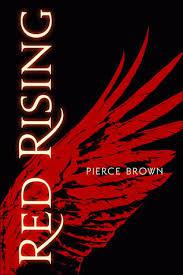
Could Pierce Brown’s Red Rising be next? It’s got all the hallmarks—it’s YA, for one (most of the industry’s recent blockbusters have come from that category). It’s barely been published, and already there’s a movie deal. Its plot summary—a boy who tries to break out of a caste society on Mars by going undercover in his oppressor’s command school—has everything: dystopia, class anxieties, young adult competition and peril, and an ingredient we’ve never seen before. It sounds like a bit of Hunger Games, a bit of Ender’s Game, set on Mars.
But most of all, early buzz and reader reviews are simply stellar.
This is one to watch.
