So says Hollywood producer Harvey Weinstein about the National Rifle Association.
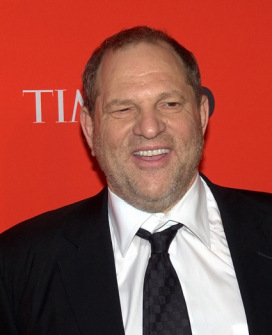
Yesterday, Weinstein told Howard Stern that he has a new project coming up that is going to address NRA and America’s gun situation “head on.” Said Mr. Weinstein: “I don’t think we need guns in this country, and I hate it. The NRA is a disaster area.”
I tend to agree with that last sentiment, but cannot deny that the NRA has unqualified access to power in the US. Representing only 1-2% of the American population (the number of members in the NRA is unclear), the NRA’s lobby and political efforts have allowed the organization to effectively control all attempts at new national gun legislation and regulation. No matter what happens in this country, the NRA (so far) remains an immovable force in Washington politics. Their ability to mobilize support and defeat any potential regulation on guns, ammo, or gun culture can only be marveled at by those who wish they could imitate that level of inflexibility (like Democrats).
Which means that a Hollywood endeavor to directly shift the political debate around gun-control should create a maelstrom in the American gun-control conversation. Weinstein gave few details about the film project, titled The Senator’s Wife, but said it will not be a documentary, but a “big movie like Mr. Smith Goes to Washington.”
Weinstein also said that Meryl Streep will be involved. Which can only help with that “big movie” part of the plan.
The ability of Hollywood to move the needle on social and political issues in the United States is nearly impossible to measure in the short-term. Projects created specifically to make an impact on issues like race, crime, or social justice can succeed in raising awareness (that oft derided but critically important goal) as long as audiences are able to find a story that moves them, in a film that’s worth more than its controversy. Do the Right Thing I believe is the prime example.
After Do the Right Thing debuted at Cannes, critics and political talking-heads thought Spike Lee’s look at urban violence, racial division and the hottest day of the year would lead to riots and violence in the black community. They called the film irresponsible and likely to incite greater division. The film didn’t provide easily packaged answers for the audience on the correct course forward regarding America’s problems of race and violence. Instead it laid those problems bare and offered competing visions for resolution and left audiences to resolve for themselves what it means to do the right thing.
The riots that were feared never materialized in the wake of Do the Right Thing. What happened instead was that a great film exposed a lot of the issues that were underexposed to the national film-going audience (this exposure is easy to see reflected in the fears of many critics, David Denby and Joe Klein, especially). It also allowed a young, talented filmmaker access to the forefront of American cinema by making a film that was important enough, and moving enough, to engage audiences-white and black-on a level that is rarely found in the movies.
We still have racial division in the US, of course, but that doesn’t mean that Do the Right Thing was not a factor in the American social landscape, then and now. It remains one of the best films of the 1980s, and one of the best films ever made about America’s history of racial division and violence. For my money it is what filmmakers should think of when they set out to make a film that moves culture as a whole.
There’s no reason to assume that Harvey Weinstein’s NRA project will carry cultural weight comparable to Do the Right Thing. Weinstein’s a producer, not a director, and we know almost nothing about what he’s working on. But there are moments in time when the right story can come along and make a major contribution. That’s what Do the Right Thing did, in 1989. And there’s no denying that we are in a similar moment regarding guns and the NRA. It’s a ripe opportunity in our country, as high-profile shootings continue to make the news far too frequently, to make an explosive contribution to the cultural debate about guns in America.
Whether or not the producer of Django Unchained and Piranha 3DD is the right man for that job remains to be seen.

Funny coming from a guy who has an armed security detail.