by Ben Krueger
Mario Bava’s cinematic arrival in the 50’s and 60’s was long before my time, but after seeing Black Sunday, Kill, Baby… Kill!, and Bay of Blood, it’s clear that he immediately changed the course of horror in cinema. Bava, like his more famed contemporary Sergio Leone, was an Italian pioneer stripping away the romanticism often found in their respective Hollywood genres.
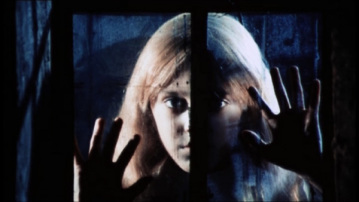
Bava is credited with creating the first Giallo and Slasher films, long before the arrival of Dario Argento and Michael Myers. His influence also casts a wide net, as Quentin Tarantino, John Landis, Martin Scorsese, and Tim Burton have all professed an admiration for his work. Bava’s Planet of the Vampires is a direct influence on Ridley Scott’s masterpiece, Alien. All of this begs the question, “How could such a visionary have so little recognition?”
Unfortunately, while Bava is a hidden gem to some, he can never be more than a guilty pleasure to most. His work was generally done with little time and money, which meant short shooting schedules and a quick turnaround for his next project. Many would argue that Bava did nothing more than B-movies that would go straight to the grindhouse, and in a way that was true; however, that generalization misses what makes Mario Bava so unique.
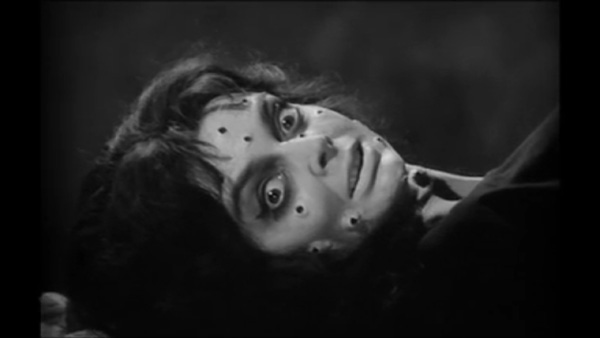 A shoestring budget can sometimes create the most imaginative worlds. In the hands of Mario Bava, the viewer is artfully guided through bold washes of color, shadow, and fog, uncertain of what the camera will reveal next. His love of the zoom lens may be tiresome at times, but each shot is beautifully designed, and the camera seems to carry its own energy and patience.
Bava understands the slow build of psychological terror. At his most grotesque, he never makes the mistake of stringing a film along by relying just on visual shock to keep viewers engaged.
Navigating through Mario Bava’s catalog is a journey I would recommend. It is, after all the season.
Here are three films to get you started:
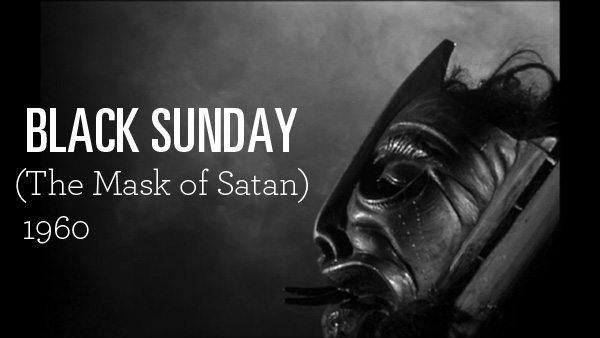
In this vampiric tale of curses and awakenings, Barbara Steele stars as both the evil witch and her proposed victim. One of Bava’s most iconic, and memorable scenes occurs in this, his official directorial debut. The film opens with the medieval execution of vampire witch, Princess Asa Vajda and her blood-drinking lover. As the ritual unfolds we are shown the camera view of a mask, lined with iron stakes as it is walked towards the condemned Princess. Bava treats his viewers to a masterful range of chromatic shadows.
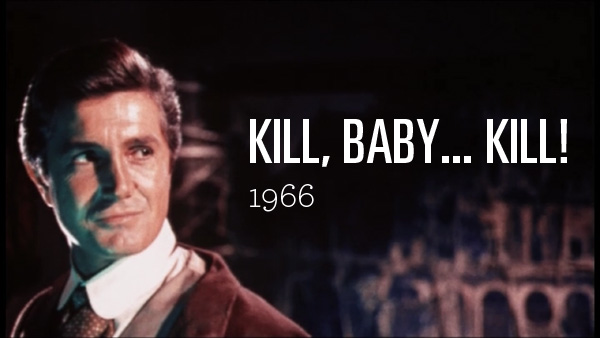
A classic haunting set in the grim fog ridden atmosphere of an Italian village. As an outsider unfamiliar with the town’s superstitions, Doctor Paul Eswai, (Giacomo Rossi-Stuart) is called upon to investigate recent murders. His faith in science is ultimately tested as he is confronted by the supernatural; the ghost of Melissa Graps (played by an uncredited boy). Bava’s use of color and camera trickery includes scenes of superimposed dolls, spiraling stairs, and a chase scene shot entirely in one small room over and over.
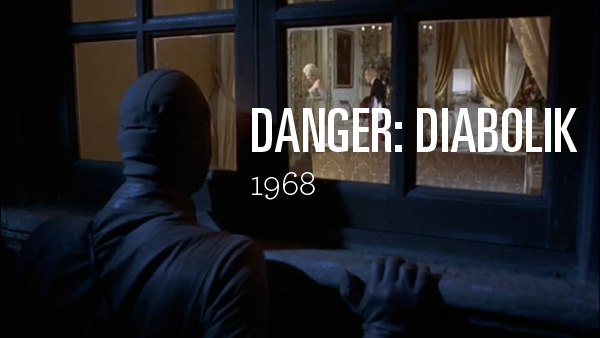
Looking for something outside of the realm of horror? Bava’s Diabolik is a fun mixture of 60’s era heist and James Bond. A master thief evades all obstacles in this Ennio Morricone scored adaptation of an Italian comic book. Note: If you are experiencing Deja Vu while watching Danger: Diabolik you can thank the Beastie Boys.
*Editor’s Note: Black Sunday, Kill, Baby…Kill! and several other Bava titles are currently streaming at Netflix. Don’t miss them.
Ben Krueger contributed this article to The Stake. Ben is a culture enthusiast residing in St. Paul, Minnesota.

Pingback: Planet of the Vampires (Terrore nello spazio) | screengrabsaz
Pingback: A Bay of Blood (Reazione a catena) [Twitch of the Death Nerve] | screengrabsaz